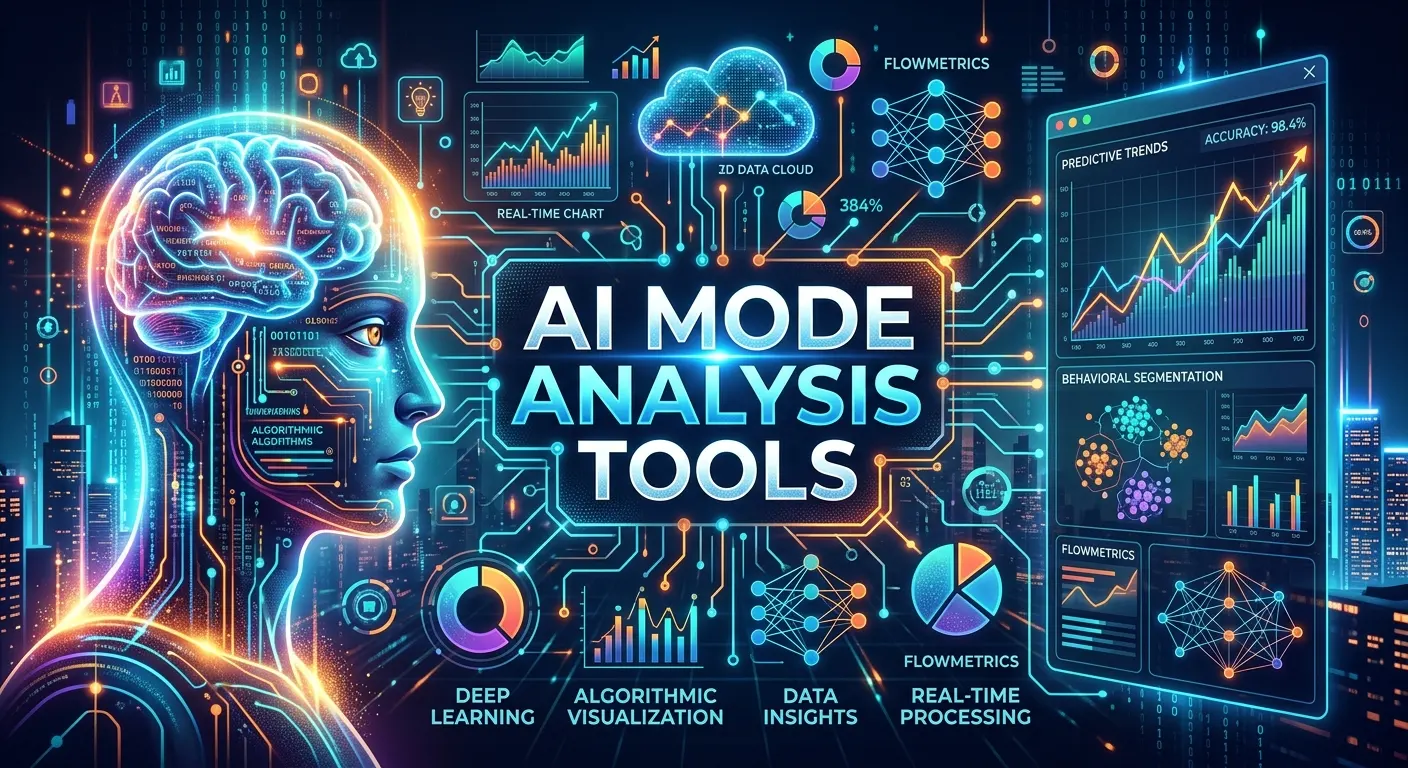
AI-powered search is changing how people discover information, products, businesses, and brands. AI mode analysis tools help marketers and SEO professionals understand how websites, topics, and brands perform in AI-driven search experiences. Instead of focusing only on traditional blue-link rankings, these tools can help analyze AI-generated answers, citations, mentions, visibility, competitors, and search intent.
In 2026, this type of analysis is becoming increasingly useful for businesses that want to understand their presence across AI search experiences. The right tool can improve productivity, efficiency, creativity, automation, and strategic decision-making by turning complex search data into actionable insights. From monitoring brand mentions to identifying content gaps, AI mode analysis tools can support a modern search strategy. This guide explains how they work, what features matter, how to compare free and paid options, common mistakes, practical use cases, and future developments.
What Are AI Mode Analysis Tools?
AI mode analysis tools are software solutions designed to help businesses analyze search experiences powered by artificial intelligence. They can examine how AI-generated search results discuss brands, websites, products, topics, or competitors.
Traditional SEO tools often focus on keyword rankings, backlinks, organic traffic, and technical website performance. AI mode analysis adds another layer by examining AI-generated responses, citations, brand mentions, sources, and visibility patterns.
For example, a company may rank well for a traditional Google keyword but receive little or no visibility in an AI-generated answer. An AI mode analysis tool can help identify this difference and show where the business appears, where competitors appear, and which sources AI systems reference.
How AI Mode Analysis Tools Work
AI mode analysis tools generally collect search queries and analyze the responses produced by AI-powered search experiences. Depending on the platform, the system may monitor specific prompts, topics, keywords, brands, domains, or competitors.
The tool can then organize the results into metrics such as brand mentions, citation frequency, source visibility, competitor presence, sentiment signals, and query coverage. Some platforms also identify patterns across large groups of prompts.
A typical workflow looks like this:
Create target queries → collect AI search responses → identify mentions and citations → compare competitors → analyze content sources → discover opportunities → improve content → monitor changes.
The exact methodology differs between platforms. Therefore, marketers should understand whether a tool measures direct AI responses, simulated queries, third-party datasets, or another type of search result.
Key Features of AI Mode Analysis Software
A strong AI mode analysis tool can include several features that help marketers understand AI search visibility. Prompt monitoring is one of the most useful because it allows users to track how AI systems respond to important queries over time.
Other useful features include brand mention tracking, citation analysis, competitor comparison, domain monitoring, query segmentation, historical reporting, alerts, and content recommendations.
Some advanced platforms may also provide automated summaries. Instead of manually reading hundreds of AI-generated responses, marketers can use dashboards to identify recurring patterns.
When comparing tools, look beyond the number of features. A simple dashboard with reliable data can be more useful than a complicated platform filled with features that do not support your marketing goals.
Why AI Mode Analysis Matters for Modern SEO
Search visibility is becoming more complex. A website can receive traffic from traditional organic results while also being mentioned or cited inside AI-generated search experiences.
This creates a new measurement challenge. Traditional rankings alone may not show the complete picture of how a brand appears across modern search environments.
AI mode analysis can help SEO teams understand which questions trigger brand mentions, which pages receive citations, and which competitors appear frequently.
For example, a software company could monitor prompts such as “best project management software for small teams.” The company may discover that its competitors frequently appear in AI-generated recommendations while its own website rarely receives a citation. That information can guide future content and optimization work.
Benefits of Using AI Mode Analysis Tools
One major benefit is time savings. Manually checking large numbers of AI search queries can take hours. Monitoring software can organize this information into a centralized dashboard.
These tools can also improve decision-making. Instead of assuming that a website has strong AI visibility, marketers can monitor actual query patterns and identify areas that require attention.
Another benefit is competitive research. Businesses can study which competitors appear frequently in AI-generated responses and investigate the types of content or sources associated with those mentions.
AI mode analysis can also support content planning. If important queries consistently reference certain topics, publishers can use those observations to develop more useful and comprehensive resources.
AI Mode Analysis Use Cases for SEO and Marketing
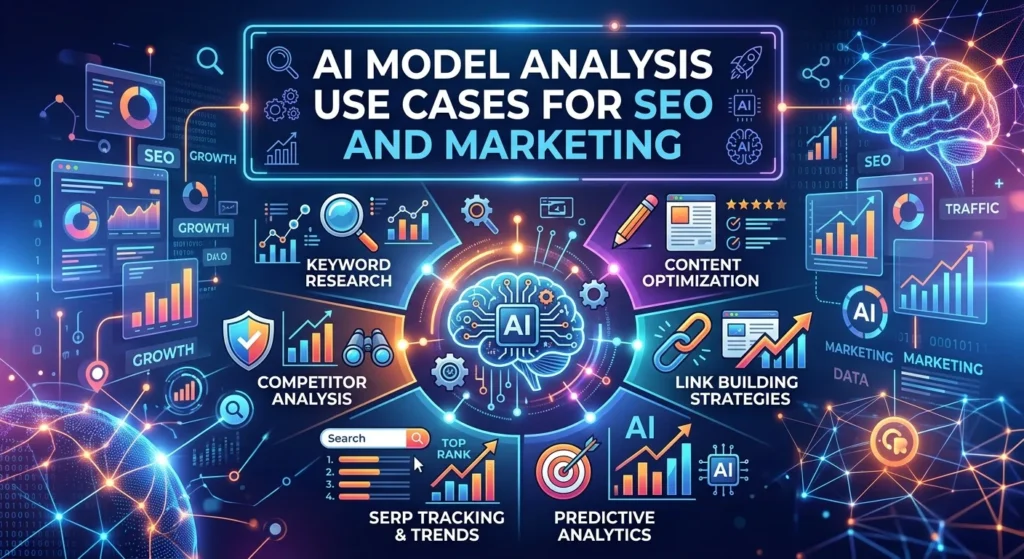
SEO agencies can use AI mode analysis tools to monitor visibility across client accounts. A marketing team can track branded and non-branded queries to understand how its organization appears in AI search.
Content teams can use the tools to identify content gaps and citation opportunities. If AI-generated answers repeatedly cite certain types of sources but ignore a company’s pages, the team can review whether its content provides enough depth, evidence, clarity, and original value.
Public relations teams can also monitor brand mentions. AI-generated answers may summarize information from multiple sources, so monitoring can reveal how a company is represented in broader search conversations.
Ecommerce businesses can monitor product-related queries. For example, a retailer could track questions about product categories, buying guides, comparisons, and alternatives.
AI Mode Analysis for Brand Visibility and Citations
Brand visibility is an important part of AI search analysis. A business may want to know whether AI systems mention its name when users ask relevant questions.
Citation visibility is another important metric. An AI system may mention a company but cite another website as its supporting source. That creates a difference between being mentioned and being directly supported by a source.
For example, imagine an AI-generated answer discusses several SEO platforms and mentions Brand A. If the response cites Brand B’s website but not Brand A’s website, the two companies have different citation positions.
This distinction can help marketers analyze the quality of their AI search presence rather than simply counting mentions.
Comparing AI Mode Analysis Tools
Different tools can focus on different parts of AI search measurement. Some prioritize brand visibility, while others emphasize citations, prompts, competitors, content analysis, or reporting.
Before selecting a platform, identify the questions you need to answer. Do you want to monitor brand mentions? Track competitors? Analyze citations? Discover new prompts? Measure changes over time?
Also consider data coverage, reporting frequency, query limits, supported AI search environments, integrations, historical data, export options, and ease of use.
A good comparison should evaluate the complete workflow rather than one headline feature. A tool that tracks many queries but provides little useful analysis may not be as practical as a smaller platform with clear reporting.
Free vs Paid AI Mode Analysis Tools
Free AI analysis tools can be useful for beginners who want to understand how AI search works. You can manually test important queries, record mentions, inspect citations, and compare responses.
However, manual analysis becomes difficult when the number of queries grows. Paid tools can automate monitoring and provide historical tracking, dashboards, alerts, and larger query limits.
The right choice depends on the size of your project. A freelancer monitoring a small website may start manually, while an agency managing many clients may need automated monitoring.
Before paying for a platform, check whether it offers a free trial or limited plan. Use the trial with real queries rather than simply exploring the interface.
Pricing Factors for AI Mode Analysis Platforms
AI mode analysis pricing can vary considerably because platforms measure different types and amounts of data. Some services may charge according to tracked queries, projects, users, domains, or monitoring frequency.
Other pricing factors can include historical data, competitor tracking, reporting features, API access, exports, integrations, and automated alerts.
When evaluating pricing, calculate your expected usage. A plan that appears inexpensive may become more expensive if you need additional query credits or projects.
Total cost matters more than the starting subscription price. Consider the number of websites, users, queries, reports, integrations, and data exports you need.
Integrations and Reporting for AI Search Analysis
Integrations make AI mode analysis more useful because they connect search visibility data with other marketing information. Depending on the platform, integrations may include analytics systems, SEO platforms, reporting tools, CRM systems, or business intelligence software.
Reporting is equally important. Marketing teams need information that they can understand and act on. A dashboard should make it easy to identify changes, trends, competitors, and opportunities.
Look for export functionality, scheduled reports, customizable dashboards, alerts, and historical comparisons if multiple people need to review the data.
For agencies, white-label reporting can also help present AI search visibility information to clients in a consistent format.
Common Mistakes When Using AI Mode Analysis Tools
One common mistake is treating AI visibility as a fixed ranking. AI-generated results can change based on the query, location, context, data sources, model behavior, and time.
Another mistake is tracking too few queries. A brand might appear for one prompt but disappear for another closely related prompt. A broader query set provides a more useful picture.
Marketers should also avoid focusing only on the number of mentions. A mention without a useful citation, relevant context, or meaningful visibility may not represent strong search performance.
Finally, do not make major content decisions based on one unusual AI response. Look for recurring patterns across multiple queries and time periods.
Best Practices for AI Mode Analysis and Optimization
Start with a carefully selected group of queries. Include branded searches, product questions, informational queries, comparison searches, and high-value commercial topics.
Track competitors alongside your own brand. This creates a useful reference point and can reveal which topics consistently generate competitor visibility.
Review cited sources regularly. If AI-generated answers repeatedly cite independent research, authoritative publications, industry organizations, or specific websites, study what makes those sources useful and trustworthy.
Most importantly, focus on creating helpful, original, accurate, well-structured content. AI mode analysis should inform your strategy, not encourage artificial attempts to manipulate AI-generated answers.
Latest AI Search Analysis Trends in 2026
AI search analysis is moving beyond simple mention tracking. Modern marketers increasingly want to understand visibility, citations, source influence, query coverage, competitors, and changes over time.
Another trend is automated insight generation. Instead of simply presenting raw data, analysis platforms can summarize important changes and highlight potential areas for investigation.
Prompt-level tracking is also becoming more important. Businesses want to understand how their visibility changes across different questions rather than relying on one generic measurement.
AI search is also becoming more multimodal. Search experiences can combine text, images, products, maps, videos, and other information. Future analysis tools may therefore need to evaluate visibility across several content formats rather than text alone.
Future of AI Mode Analysis Tools Beyond 2026
The future of AI mode analysis will likely involve deeper automation and broader measurement. Instead of simply showing where a brand appears, platforms may increasingly connect visibility data with content recommendations, competitive research, and marketing workflows.
AI agents could monitor thousands of queries, identify unusual visibility changes, summarize likely causes, and recommend areas for human review.
Another potential development is cross-platform AI search measurement. Businesses may want one system that monitors several AI-powered search experiences instead of checking each environment separately.
However, measurement will remain challenging because AI-generated answers can change dynamically. Reliable analysis will require transparent methodologies, consistent query tracking, and clear definitions for metrics such as visibility, mention rate, and citation share.
Conclusion: Building a Smarter AI Search Analysis Strategy
AI mode analysis tools give marketers a new way to understand search visibility in an environment increasingly influenced by artificial intelligence. They can help track brand mentions, citations, competitors, prompts, content opportunities, and changes over time.
The most effective strategy starts with clear goals. Decide which queries matter, identify the competitors you want to monitor, choose meaningful metrics, and review results consistently.
Do not treat AI search analysis as a replacement for traditional SEO. Instead, combine technical SEO, high-quality content, brand authority, traditional search data, and AI visibility insights.
As AI-powered search continues to develop, businesses that measure their presence carefully will have more information for making informed content and marketing decisions.
FAQs About AI Mode Analysis Tools
What are AI mode analysis tools?
AI mode analysis tools help businesses monitor and analyze how brands, websites, products, and topics appear in AI-powered search experiences.
Why are AI mode analysis tools important?
They can reveal information that traditional keyword-ranking tools may not capture, including AI-generated mentions, citations, competitors, and prompt-level visibility.
Can AI mode analysis tools improve SEO?
They can support SEO strategy by identifying content gaps, citation opportunities, competitor visibility, and important search questions. They work best alongside traditional SEO methods.
Are there free AI mode analysis tools?
Yes. Businesses can manually analyze AI search results using free access to available AI search experiences. Some dedicated platforms may also provide free trials or limited plans.
What metrics should I track?
Useful metrics can include brand mentions, citation frequency, query coverage, competitor visibility, source frequency, historical changes, and relevant prompt performance.
Can AI mode analysis tools track competitors?
Many AI search analysis platforms provide competitor monitoring. This can help businesses understand which competing brands or domains appear for important queries.
What is the difference between AI visibility and citation visibility?
AI visibility refers broadly to how a brand appears in an AI-generated search experience. Citation visibility focuses specifically on whether the brand’s website or another source is used as a cited reference.
How often should I analyze AI search visibility?
The ideal frequency depends on your industry and goals. Regular monitoring can help identify changes, while longer-term comparisons can reveal broader trends.
Can AI mode analysis replace Google Search Console?
No. AI mode analysis and Google Search Console provide different types of information. Search Console focuses on a website’s performance in Google’s search ecosystem, while AI analysis tools can examine AI-generated search visibility.
What should I look for when choosing an AI mode analysis tool?
Evaluate data coverage, query limits, citation tracking, competitor analysis, historical data, reporting, integrations, pricing, and ease of use.
Will AI mode analysis become more important in the future?
AI-powered search is continuing to evolve, so understanding visibility beyond traditional rankings may become increasingly relevant for businesses, publishers, and SEO professionals.